Dr. Deependra V Singh after completing his post-graduation from the Prestigious Dr. R.P.Centre for Ophthalmic Sciences, AIIMS undergone intensive training for Advanced Vitreo-retinal surgery and management of complex medical retinal disorders during his 3 year Retina Fellowship (Vitreo-Retinal Surgery) under renowned Vitreo-retinal Surgeon - Prof. Yog Raj Sharma at AIIMS and continued to learn during his post fellowship research association (Vitreo-Retinal Surgery) with AIIMS. Dr. Singh has been practicing Vitreo- retinal Surgery at Delhi. Gurgaon and NCR for last 15 years and has more than 8000 Vitreo-retinal surgeries and 5500 injections to his credit. Dr. Singh specializes in the treatment of diseases affecting the retina, the vitreous and the macula, including macular degeneration, diabetic retinopathy, retinal detachment, macular holes, retinitis, uveitis, ocular tumors and pediatric retinal diseases. Dr. Singh is also a keen academician and has authored more than 60 publications with 25 indexed ones in leading international journals including Ophthalmology (AAO), American journal of ophthalmology, Retina, Eye, British Journal of Ophthalmology, Acta Ophthalmologica Scandinavica, Clinical and experimental ophthalmology, Indian Journal of Ophthalmology. to name a few. Dr. Singh has also written 14 chapters in various leading books and has been invited as faculty, speaker, teacher and judge on more than 120 occasions. He has also been as reviewer for the prestigious journals Journal of Cataract and Refractive Surgery, Ophthalmology (official journal of American Academy of Ophthalmology) and has reviewed more than 20 articles for them by now. Dr. Singh has also been instrumental in organizing In-house CMEs and Academic workshops at Eye-Q Superspecialty Eye Hospitals for past 9 years. Dr. Singhs teaching experience also includes course writer for ophthalmology for IGNOU (2004-2005) and guiding the BSC optometry candidates from AMITY University (2014). Dr. Singh is also recipient of various awards including the ORA Best Senior Resident at AIIMS, Teacher Award from Delhi Ophthalmic Society and the Prestigious Rezangala award for social service from Haryana Government. His vast experience also includes Teaching Retinal Surgery to Fellows at AIIMS and conducting live Vitreoretinal surgical workshops across the country (WHO; training the trainer workshops) at Calcutta, Allahabad, Chandigarh, Ajmer, Jaipur and Bhiwani & Setting up Vitreoretinal Surgical Service at Gurgaon, Rewari, Bhiwani, Shalimar Bagh and Lucknow. Dr. Singh was also instrumental in customizing the unique Cloud based EMR at Eye-Q Super-specialty Eye Hospitals. The Project also involved training consultants from 30 hospitals at different location for EMR both physically and remotely thorough web meetings. He was recipient of Extra-mile Award from the organization (Eye-Q). This work was also selected for FICCI Healthcare awards (2014). Lifetime member of AAO, AIOS, VRSI, DOS, GOS, IMA, DMA, Delhi Retina Forum, and OTSI, he has actively participated and delivered lectures at more than 150 national and international conferences. Currently, he is working as Director and Head Vitreoretinal Services at Eye-Q Super-specialty Eye Hospitals (India)


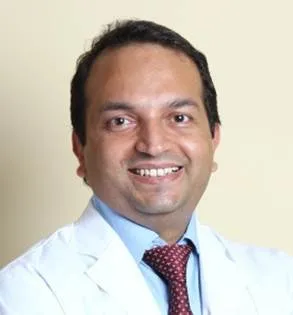 Dr. Deependra V Singh